





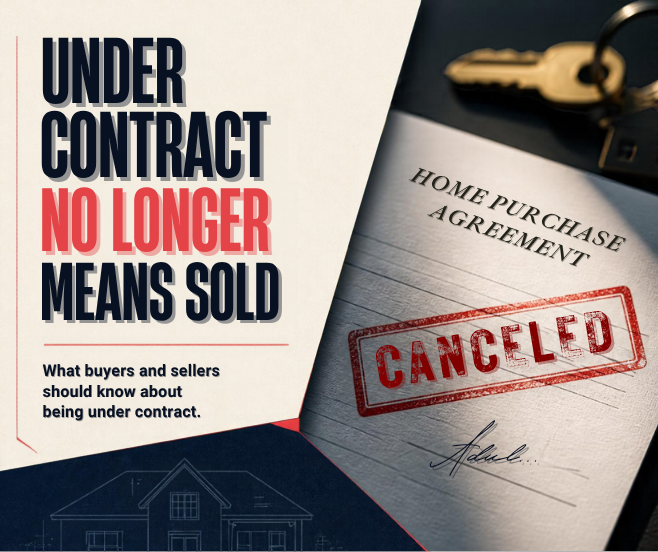
For a long time, getting a home under contract felt like the hard part was over. You priced it, a buyer made an offer, everyone signed, and from there it was mostly paperwork on the way to closing day.
That is not the market we are in right now.
According to Redfin's September report, released October 12, 14.5% of the home purchases that went under contract across the country in September fell apart before closing. Other than the first confusing months of the pandemic in the spring of 2020, that is the highest cancellation rate Redfin has ever recorded. Put another way, roughly one in seven signed deals never made it to the closing table.
And it was not just cancellations. Pending sales, which is simply the number of homes going under contract, dropped 4% from August to September. That was the biggest monthly drop in more than three years, and it left pending sales at their lowest level since the spring of 2014, again setting aside that pandemic freeze in 2020. Fewer homes are going under contract, and more of the ones that do are not finishing the trip.
Why are buyers walking away?
There is no single reason, but the pattern is pretty clear.
Start with choices. The total number of homes for sale in the U.S. is at its highest level since March 2020. When a buyer has other options, a problem feels less like something they have to live with and more like a reason to keep looking. A roof that needs work, an inspection report with a long list, a monthly payment that comes in higher than expected. Any of those can end a deal when the buyer knows three similar homes are still sitting on the market.
Rates are part of it, too. The average 30-year mortgage rate climbed to 7.28% by the end of September, the highest it has been in three years. A buyer who started shopping when rates were lower can get a genuine shock when the real payment is finally in front of them. Some decide they just cannot make the numbers work.
Price plays a role as well. In September, about three out of five homes that sold nationally went for less than their original asking price, and nearly one in five sellers with an active listing cut their price. Buyers see that. If they feel they agreed to pay too much, and they have a way out, some of them take it.
What does this look like here at home?
We do not have a local version of that cancellation number, and we're not going to pretend the national figure is an Asheville figure. But the conditions behind it are easy to spot in our own MLS numbers this week.
Buncombe County currently has 2,231 homes for sale. The Asheville region has 6.6 months of supply, which means at the current pace of sales it would take about six and a half months to sell everything that is listed. Homes are averaging 70 days on the market. And in just the last seven days, 177 sellers across Buncombe County reduced their price.
That is a market where buyers have time and they have alternatives. It does not mean nothing is selling. Seventy-five homes sold in the county last week alone. It does mean buyers are choosier than they were a few years ago, and choosier buyers are quicker to walk away when something does not feel right.
North Carolina adds one more wrinkle. Our contracts include a due diligence period, during which a buyer can terminate for almost any reason, or no reason at all. They would lose their due diligence fee, but they can walk. That period has always mattered. In a market like this one, it matters a lot.
If you are selling, how do you keep a deal together?
You cannot control the buyer's finances or their cold feet. You can control more than you might think, though.
Price it honestly from the start. An overpriced home does not just sit. It also sets up a disappointed buyer later, when the appraisal or the inspection gives them a reason to rethink what they agreed to pay. A fair price on day one holds up better through the whole process.
Fix the obvious things before you list. Buyers forgive a lot less than they used to. The dripping faucet, the soft spot in the floor, the handrail that wiggles. Small repairs are cheap compared to a failed contract and a home that goes back on the market with questions attached to it.
Be upfront about what you know. In North Carolina, sellers have real disclosure obligations, and surprises are deal killers. A buyer who learns about an issue from you, with a plan or a credit already on the table, reacts very differently from a buyer who finds it on an inspection report.
Stay flexible after the contract is signed. Sometimes what saves a deal is not a lower price. It is a repair credit, help with closing costs, or a rate buydown that brings the buyer's payment down to something they can live with. Keeping the deal is usually worth more than winning every point in it.
Look at the strength of the offer, not just the number. A slightly lower offer from a buyer with a solid pre-approval, a meaningful due diligence fee, and a realistic closing timeline may be the safer bet right now. The highest offer does a seller no good if it is the one that falls through in week three.
A word for buyers
This market genuinely does give buyers more room than they have had in years: more homes to choose from, more time to decide, and more room to negotiate on price, repairs, and closing costs. Use that room well. Get your financing numbers nailed down before you make an offer, and make sure the payment still works for you at today's rates, not the rates you were hoping for. Walking away is sometimes the right call. Making an offer you already know you cannot finish helps nobody, including you.
The bottom line
A signed contract is a good day. It just is not a guarantee anymore, and sellers who understand that from the start tend to fare better than sellers who assume the sale is finished the moment the ink dries. Price with care, prepare the home like a buyer will look it over hard, because they will, and be ready to solve a problem or two along the way.
If you are thinking about selling and want an honest read on what your home would face in this market, or you are buying and want help sorting out which listings are worth your time, we are happy to talk it through. That is what guiding people home looks like in a market like this one.
Source: Redfin, "U.S. Pending Home Sales Sink Near 12-Year Low," October 12, 2026. Local figures from Canopy MLS data for the week reported October 13, 2026